
Article by Stacey Mann, learning experience designer and interpretive strategist, Saralyn Rosenfield, Director of Learning & Engagement, Delaware Art Museum, and Amelia Wiggins, Manager of Gallery Learning & Interpretation, Delaware Art Museum.
Building institutional empathy can strengthen inclusive practice, address racial bias, and dismantle a museum’s history of being dominated by White perspectives while excluding people of color (English, 2015; Halperin, 2018; Kennedy, 2015; Kinsley & Whitman, 2016). In this paper, we reflect on the Delaware Art Museum’s reckoning with racial bias and discuss our first steps toward systemic change.
“Assuming an empathetic institutional stance has little to do with sentimentality or inappropriate emotionalism. Instead, just as empathetic individuals must have a clear sense of their own identities in order to perceive and respond effectively to the experience of others, the empathetic museum must have a clear vision of its role as a public institution within its community. From this vision flow process and policy decisions about every aspect of the museum- audience, staffing, collections, exhibitions and programming, social media, emergency responses — all the ways in which a museum engages with its community(ies).” (The Empathetic Museum, n.d.)
Read the full article on Medium.com, based on The Empathetic Museum and our Workshop with the Delaware Art Museum: https://medium.com/viewfinder-reflecting-on-museum-education/confronting-our-whiteness-our-first-steps-towards-systemic-change-bfc62aa43b9d
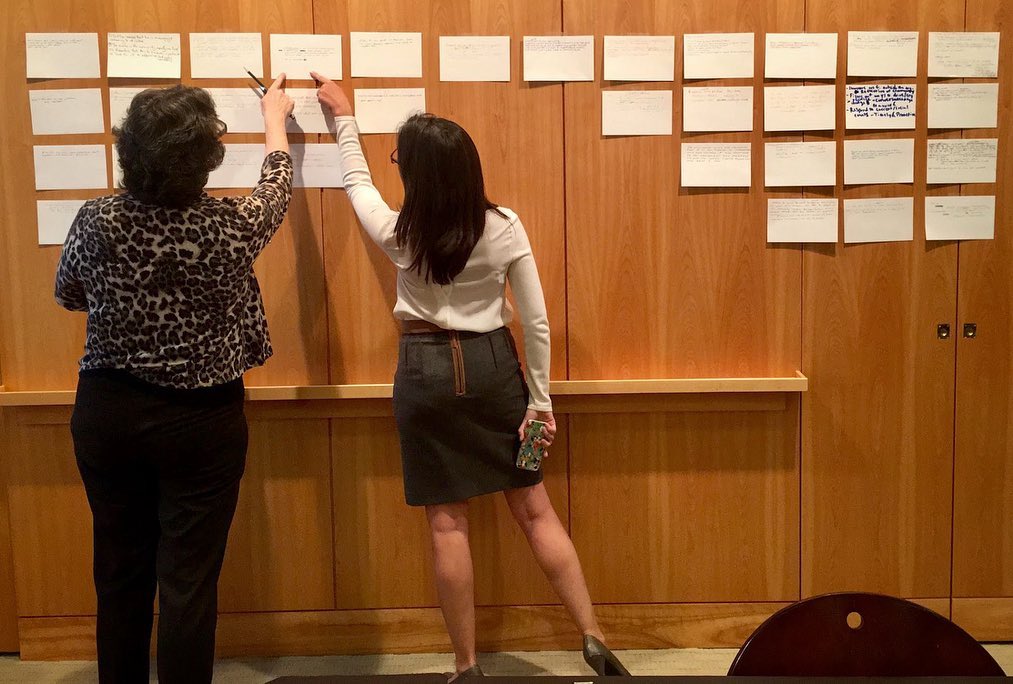
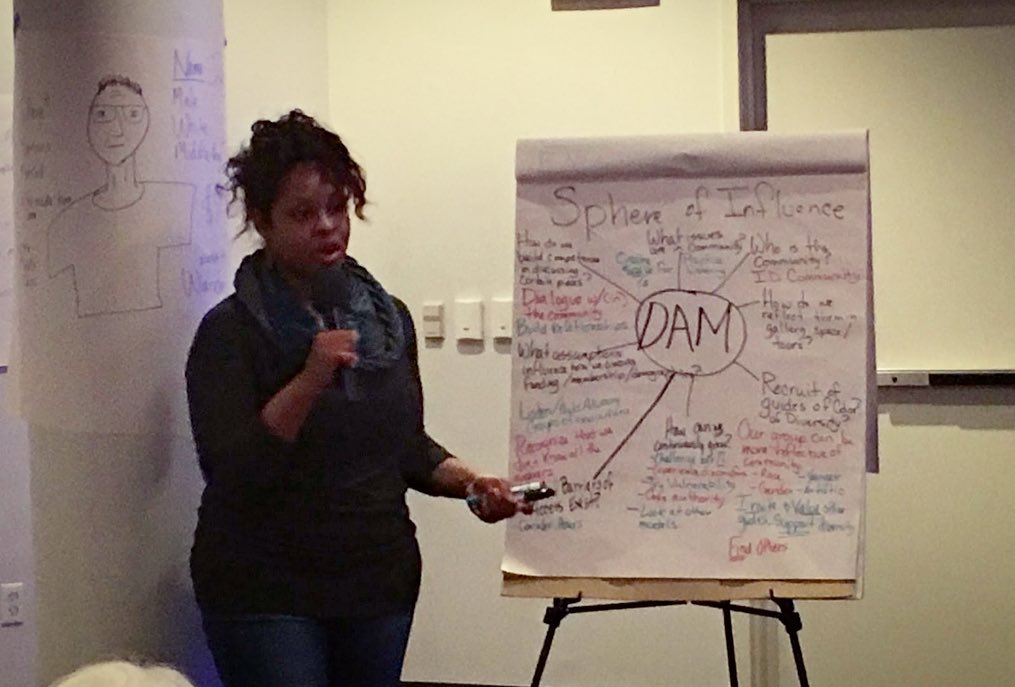
The Empathetic Museum. [@empatheticmuseum] (September 8, 2021). “Confronting Our Whiteness: Our First Steps Towards Systemic Change […] Slide 1, Empathetic Museum Workshop activity at Delaware Art Museum, Slide 2, Janeen Bryant of Empathetic Museum leading a discussion with museum guides”. [2 Image Slideshow]. Instagram. https://www.instagram.com/p/CTkuq-dFoco/?img_index=1
 The Empathetic Museum
Leave a comment